Becoming a Social Media Influencer: A Beginner’s Guide
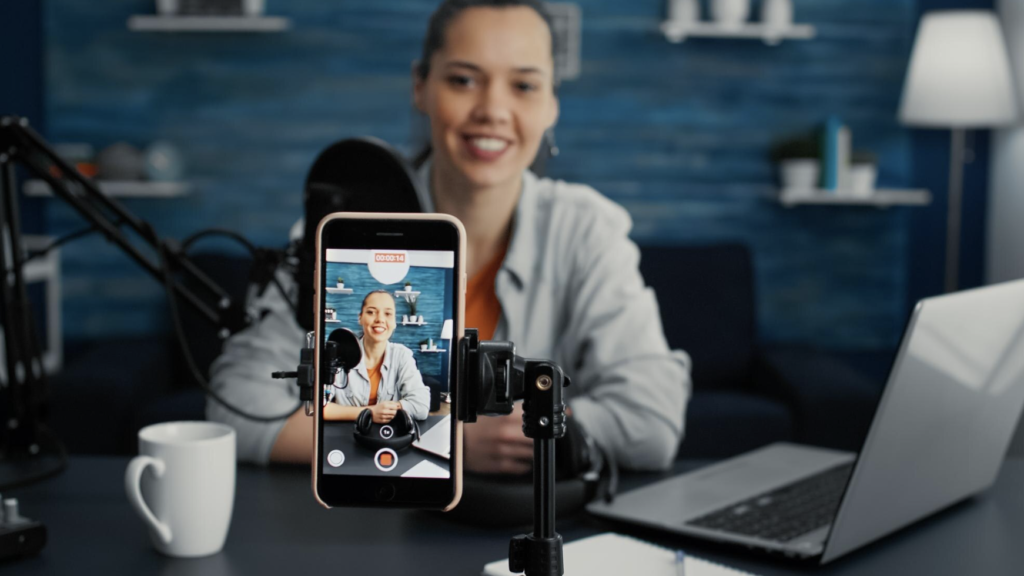
Social media has changed the way people communicate, discover products, learn new skills, and make purchasing decisions. Platforms such as Instagram, YouTube, TikTok, Facebook, and LinkedIn have also created an entirely new career path: becoming a social media influencer.
Influencers are no longer limited to celebrities with millions of followers. Today, creators with smaller but highly engaged audiences can build strong personal brands, collaborate with businesses, and earn income from their content.
However, becoming a successful influencer requires more than posting attractive photos or hoping that a video goes viral. It involves choosing the right niche, consistently creating valuable content, understanding your audience, and building trust over time.
If you are thinking about becoming a social media influencer, here is how you can get started.
What Is a Social Media Influencer?
A social media influencer is someone who creates content and builds an audience around a particular topic, lifestyle, profession, or interest. Their opinions, recommendations, and content can influence the decisions of their followers.
Influencers exist in almost every niche imaginable, including fashion, food, travel, fitness, technology, personal finance, gaming, beauty, education, business, photography, and entertainment.
You also don’t necessarily need hundreds of thousands of followers to become an influencer. Smaller creators, often called micro or nano influencers, can be valuable to brands because they may have close relationships with highly specific audiences.
1. Find Your Niche
Choosing a niche is one of the most important steps in becoming an influencer.
Your niche determines what type of content you create and the audience you want to attract.
Instead of simply choosing a popular topic, look for an area that combines your interests, knowledge, skills, and potential audience demand.
For example, “fitness” is an extremely broad niche. You could narrow it down to home workouts, fitness for beginners, running, yoga, healthy meal preparation, or fitness for busy professionals.
Similarly, instead of creating general travel content, you could focus on budget travel, luxury travel, solo travel, local destinations, food tourism, or weekend trips.
Having a clear niche makes it easier for people to understand why they should follow you.
2. Choose the Right Social Media Platforms
You don’t have to be active on every social media platform from day one.
Choose one or two platforms where your target audience is most active and where your preferred content format performs well.
Instagram can be useful for Reels, photographs, Stories, and lifestyle-oriented content. YouTube is suitable for tutorials, reviews, documentaries, educational videos, and longer storytelling.
LinkedIn may work particularly well for business, careers, entrepreneurship, and professional education.
Different platforms require different content strategies. Concentrating your effort on a few platforms can help you produce better content instead of spreading yourself too thin.
3. Build a Strong Personal Brand
Successful influencers usually have a recognizable identity.
Your personal brand includes your content style, personality, visual identity, communication style, values, and the topics you regularly discuss.
Start by creating a clear profile picture, username, and bio. Your bio should quickly tell visitors who you are and what they can expect from your content.
Consistency also matters visually. You don’t need every post to look identical, but maintaining a recognizable approach to colors, editing, graphics, thumbnails, or video presentation can make your content easier to identify.
Your goal should be to give people a reason to remember you.
4. Create Valuable Content
Content is at the heart of becoming an influencer.
Before publishing something, consider what value it provides to your audience. Valuable content doesn’t always have to be educational. It can also entertain, inspire, motivate, or help someone solve a problem.
For example, a travel influencer might share destination guides, hotel recommendations, itineraries, packing tips, and travel mistakes to avoid.
A food creator could publish recipes, restaurant reviews, cooking tips, budget meals, and comparisons.
Experiment with different formats such as short videos, tutorials, carousels, photographs, Stories, livestreams, and longer videos.
Pay attention to which formats generate the strongest response from your audience and gradually produce more of what works.
5. Post Consistently
Consistency is usually more valuable than publishing a large amount of content for a few weeks and then disappearing.
Create a realistic posting schedule that you can maintain.
Depending on the platform and type of content, this might mean publishing several short videos each week or one detailed YouTube video every week.
Creating a simple content calendar can help you plan topics in advance. You can also record or design several pieces of content in one session and schedule them for later.
Consistency gives your audience more opportunities to discover and remember your content.
6. Understand Your Audience
Influencing becomes much easier when you understand exactly who you are creating content for.
Pay attention to your audience’s age, location, interests, questions, challenges, and preferences.
Social media analytics can provide useful information about follower demographics, reach, engagement, watch time, and content performance.
Comments and direct messages can be equally valuable.
If people repeatedly ask the same question, for example, that question could become your next video or post.
Instead of creating content based entirely on what you want to publish, find the intersection between your interests and what your audience finds valuable.
7. Engage With Your Followers
Influencer marketing is built on relationships and trust.
Don’t treat social media as a one-way communication channel. Respond to comments, answer relevant questions, participate in discussions, and interact with your community.
You can also use polls, Q&A sessions, Stories, and livestreams to encourage participation.
Even when your audience is small, genuine interaction can create a strong community.
Remember that 2,000 engaged followers who regularly watch, comment, and trust your recommendations can sometimes be more valuable than a much larger but inactive audience.
8. Collaborate With Other Creators
Collaborations can introduce your content to new audiences.
Look for creators in your niche who have similar audiences and complementary content. You could create a joint video, interview each other, host a livestream, collaborate on a challenge, or simply contribute to each other’s content.
Avoid approaching collaborations purely as a way to gain followers. The best collaborations provide value to both creators and their audiences.
Networking can also lead to future opportunities, partnerships, and brand relationships.
9. Start Working With Brands
Once you have built a consistent presence and engaged audience, you can begin exploring brand partnerships.
Brands may pay influencers to create sponsored posts, videos, reviews, tutorials, or product demonstrations.
You can also approach relevant businesses directly with a short introduction, information about your audience, engagement statistics, examples of previous content, and collaboration ideas.
A professional media kit can make this process easier.
Importantly, don’t promote every brand willing to pay you. Choose products and services that are relevant to your audience and that you can genuinely stand behind.
Promoting unsuitable products for quick income can damage the trust you spent months or years building.
10. Explore Different Ways to Earn Money
Sponsored content is only one way influencers can earn money.
Depending on your niche and platform, potential income sources can include affiliate marketing, advertising revenue, subscriptions, digital products, online courses, consulting, merchandise, events, and brand partnerships.
Diversifying income can make an influencer career more sustainable.
For example, a fitness influencer might earn from brand sponsorships while also selling workout programs. A marketing creator might combine sponsored content with consulting services and online courses.
Your audience should remain at the center of your monetization strategy. Products and partnerships should provide genuine value rather than turning every piece of content into an advertisement.
Common Mistakes New Influencers Should Avoid
One of the biggest mistakes beginners make is expecting immediate results. Building an audience takes time, experimentation, and consistency.
Buying followers is another poor strategy. A large number of fake or inactive followers doesn’t create genuine influence and can result in extremely low engagement.
Constantly copying successful creators can also make it difficult to build your own identity. Learn from competitors, but develop your own perspective and presentation style.
Finally, don’t measure success only through follower count. Engagement, audience trust, content quality, reach, watch time, and business opportunities can be much more meaningful indicators.
Conclusion
Becoming a social media influencer is not simply about becoming famous online. It is about building an audience that values your content and trusts your perspective.
Start by choosing a clear niche, understanding your target audience, creating valuable content, and publishing consistently. Engage genuinely with followers and use analytics to continuously improve your strategy.
Growth may be slow at first, and not every post will perform well. Treat each piece of content as an opportunity to learn what your audience wants.
With patience, creativity, consistency, and a strong focus on providing value, a small social media account can gradually develop into an influential personal brand—and potentially a sustainable career.