Social Media Addiction & Its Consequences
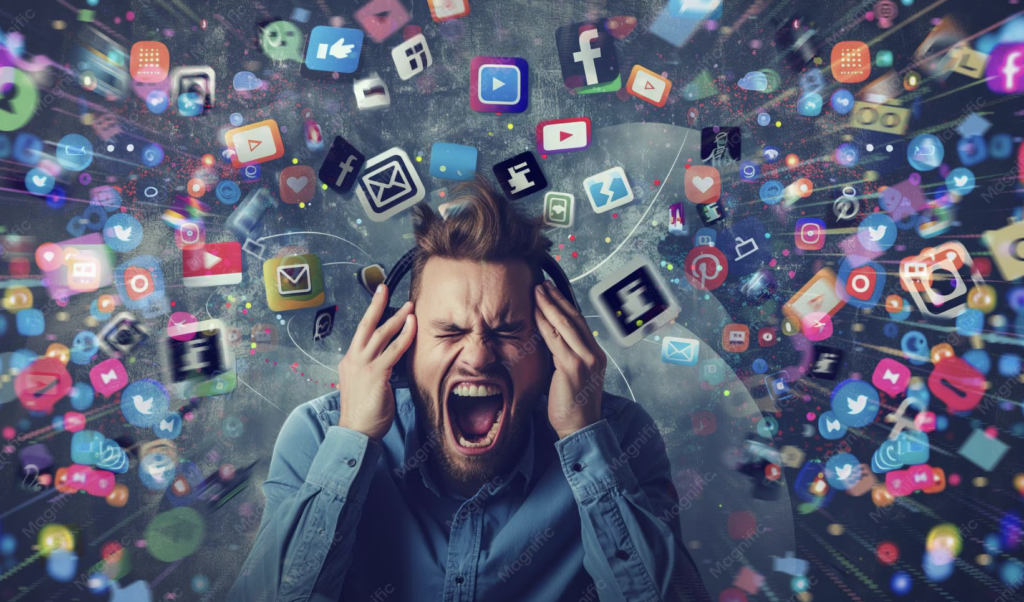
Social media has become a major part of everyday life. Platforms such as Instagram, Facebook, YouTube, Snapchat, TikTok, and X allow people to communicate, share experiences, discover information, follow trends, and stay connected with friends and family.
While social media offers many benefits, excessive use can create problems. Constantly checking notifications, scrolling through feeds for hours, or feeling uncomfortable when away from a phone may indicate an unhealthy relationship with social media.
Understanding social media addiction and its consequences is increasingly important, especially as smartphones and online platforms become more deeply integrated into our daily routines.
What Is Social Media Addiction?
Social media addiction generally refers to excessive or compulsive use of social networking platforms that begins to interfere with everyday life. A person may spend more time on social media than intended and find it difficult to reduce their usage even when they recognize its negative effects.
Social media platforms are designed to encourage engagement. Notifications, likes, comments, recommendations, short videos, and continuously updated feeds can make users want to keep checking their phones.
Using social media frequently does not automatically mean someone is addicted. The bigger concern is whether social media use begins interfering with sleep, studies, work, relationships, emotional well-being, or other important activities.
Why Is Social Media So Addictive?
One reason people find social media difficult to put down is the constant availability of new content. Every time a user refreshes a feed, opens an app, or checks a notification, there may be something new waiting.
Likes and comments can also provide a feeling of social approval. When a post receives positive reactions, users may feel encouraged to post again or repeatedly check how their content is performing.
Another factor is the fear of missing out, commonly known as FOMO. Seeing friends attending events, travelling, buying new products, celebrating achievements, or participating in trends can create pressure to remain constantly connected.
Algorithms can strengthen this behaviour by recommending content based on a person’s previous activity. The more someone watches, likes, or interacts with certain content, the more similar content they may receive.
Signs of Problematic Social Media Use
Social media habits vary from person to person, but certain behaviours can indicate that usage is becoming unhealthy.
Someone may constantly check their phone even when there are no notifications. They may spend much longer on an app than originally intended or immediately reach for their phone after waking up.
Other warning signs can include losing sleep because of late-night scrolling, ignoring responsibilities, feeling anxious when unable to access social media, or struggling to concentrate without checking a device.
Social media may also become problematic when online interactions consistently take priority over face-to-face relationships.
Consequences of Social Media Addiction
1. Effects on Mental Well-Being
Excessive social media use can negatively affect emotional well-being for some people. Constant exposure to carefully selected images of other people’s lives may encourage unhealthy comparison.
People usually share their best moments online—holidays, achievements, celebrations, relationships, and attractive photographs. Comparing everyday life with these highly curated moments can create unrealistic expectations.
For some users, this can contribute to feelings of inadequacy, loneliness, anxiety, or low self-esteem.
Online criticism and cyberbullying can further increase emotional distress, particularly among younger users.
2. Sleep Problems
One of the most noticeable consequences of excessive social media use is disrupted sleep.
Many people check their phones before going to bed and intend to spend only a few minutes online. However, one video can quickly turn into dozens of videos, delaying sleep significantly.
Notifications can also interrupt sleep during the night. Poor or insufficient sleep can affect mood, concentration, memory, productivity, and overall health.
Creating a phone-free period before bedtime can therefore be a useful way to improve both digital habits and sleep routines.
3. Reduced Productivity and Concentration
Social media can easily become a distraction during work or study.
A person may begin by checking a single notification and then spend several minutes scrolling through unrelated content. When this happens repeatedly throughout the day, valuable time can be lost.
Frequent interruptions may also make sustained concentration more difficult. Students can struggle to focus on lessons or assignments, while professionals may find it harder to complete demanding tasks efficiently.
4. Impact on Relationships
Social media was created to help people connect, but excessive use can sometimes have the opposite effect.
Imagine a family sitting together at dinner while everyone is looking at their own phones. They are physically together but may barely communicate with one another.
Similar situations can occur between friends and couples. Constant phone use during conversations can make others feel ignored or unimportant.
Online communication can complement real-world relationships, but it should not consistently replace meaningful face-to-face interaction.
5. Poor Self-Image
Social media can create unrealistic standards surrounding beauty, lifestyle, wealth, careers, fitness, and relationships.
Edited photographs, filters, carefully staged videos, and influencer content may make ordinary life seem inadequate by comparison. Users can forget that what appears online is often only a small and highly selected part of someone’s life.
Repeated comparison can negatively affect confidence and body image.
Young users may be particularly vulnerable because they are still developing their sense of identity and self-worth.
6. Physical Health Effects
Excessive social media use can also indirectly affect physical health.
Spending hours sitting or lying down while using a smartphone can contribute to a less active lifestyle. Long periods of screen use may also cause eye discomfort, headaches, or neck and shoulder strain.
When social media replaces exercise, outdoor activities, hobbies, or adequate sleep, its effects can extend beyond the digital world.
How to Build a Healthier Relationship With Social Media
Completely avoiding social media is neither necessary nor realistic for most people. Instead, the goal should be to use it intentionally.
A useful first step is monitoring screen time. Most smartphones provide tools that show how much time is spent on individual apps. Seeing these numbers can help people recognize habits they may not have noticed.
Setting daily limits can also help. Turning off unnecessary notifications reduces the temptation to constantly check a phone.
Creating phone-free periods is another practical strategy. Meals, study sessions, meetings, exercise, and the hour before bedtime are good opportunities to disconnect.
It can also help to unfollow accounts that repeatedly create stress or encourage unhealthy comparison. Instead, users can choose content that is educational, entertaining, inspiring, or genuinely useful.
Most importantly, offline activities should remain an important part of everyday life. Exercise, hobbies, reading, travelling, spending time outdoors, and meeting people face-to-face provide experiences that a digital feed cannot fully replace.
If social media use feels uncontrollable or is seriously affecting sleep, relationships, work, studies, or emotional well-being, speaking with a qualified mental-health professional can be helpful.
Conclusion
Social media itself is neither entirely good nor entirely bad. It is a powerful communication tool whose impact depends greatly on how it is used.
Problems arise when scrolling becomes compulsive and begins replacing sleep, responsibilities, relationships, and meaningful offline experiences.
Building healthier digital habits does not necessarily mean deleting every social media account. Small changes—such as limiting screen time, disabling unnecessary notifications, avoiding phones before bed, and spending more time on offline activities—can make a meaningful difference.
Ultimately, social media should be a tool that adds value to life, not something that controls how we spend it.